Shea Butter Bars vs Regular Soaps: Which Is Better for Skin?

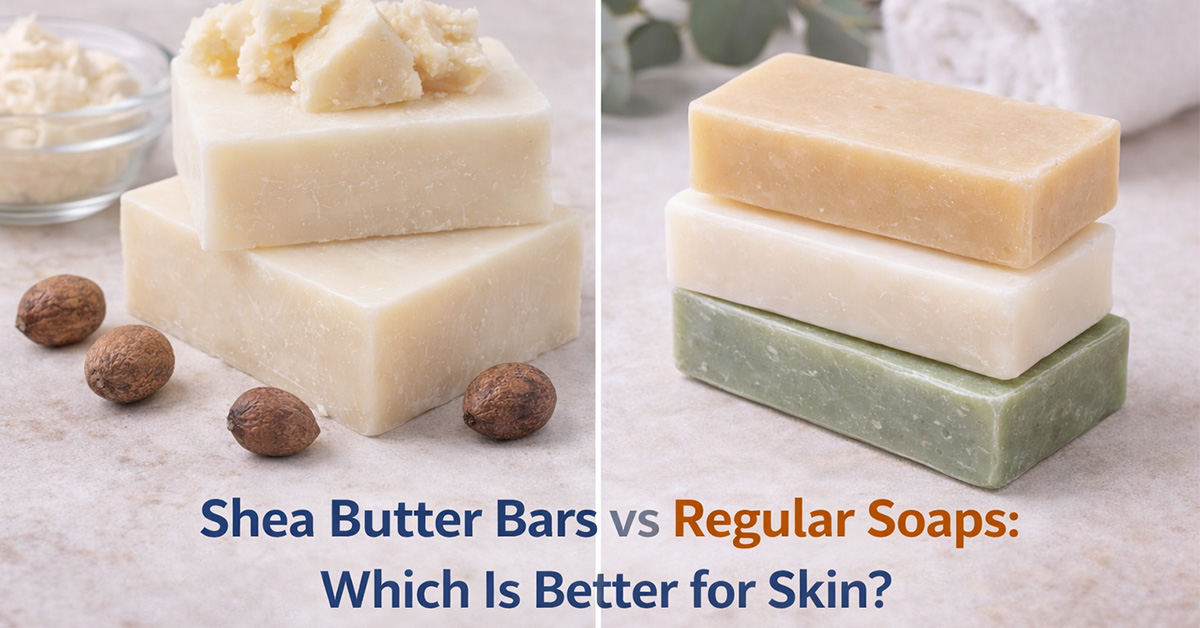
Most shoppers treat every rectangular bar on the shelf as the same, but the gap between an industrial detergent bar and a well-made Shea Butter Bar Soap is chemical, structural, and obvious on skin. The reality is that mass-market bars are often synthetic detergents, or “syndets,” designed for aggressive stripping rather than nourishing. They are engineered to remove every trace of dirt, but in the process, they take your skin’s natural oil barrier with them.
The shift toward premium personal care introduces the concept of “superfatting.” This is a precise chemistry where extra fats, like raw shea butter, are added to the formulation so that the bar cleanses without depleting the skin’s inherent moisture. It’s an intentional imbalance that leaves behind a thin, protective layer of lipids. If your skin feels “squeaky clean” or uncomfortably tight after a shower, you haven’t achieved a deep clean; you’ve actually compromised your acid mantle and left your skin vulnerable to irritation.
What Exactly is Shea Butter?
Before you can weigh the pros and cons, you have to look at the biological complexity of the ingredient. Shea butter is derived from the nuts of the Vitellaria paradoxa tree, and its true power lies in its “unsaponifiable” fraction. While most oils turn entirely into soap during the manufacturing process, a significant portion of shea butter stays exactly as it is: a raw, nourishing lipid. This makes it an ideal soap for sensitive skin because it doesn’t just wash away; it stays behind to protect.
Shea butter is essentially a skin-identical lipid powerhouse. Because it is rich in vitamins A, E, and F, it acts as a natural emollient that mimics the skin’s own sebum. This is why it is consistently rated as the best soap for dry skin it doesn’t just mask dryness, it addresses the biological lack of lipids. Rather than using synthetic slip agents to create a fake “smooth” feeling, shea butter utilizes plant-based fatty acids to physically reinforce the skin barrier. It is a functional ingredient that supports your skin’s natural biology instead of stripping it down and trying to override it.
The Problem with “Regular” Soaps
Most mass-market soaps for sensitive skin are engineered for visibility and storage, not skin health. High foam and long shelf life come from aggressive surfactants like Sodium Lauryl Sulfate. They strip oil efficiently, yes, but they also weaken the skin’s protective barrier over time, leaving it dry, reactive, and easier to irritate. This structural damage is why a “regular” bar often feels aggressive. If you are hunting for a soap for sensitive skin, these mass-market detergents are likely the primary source of your redness and irritation.
The issue is also a matter of pH balance. Most commercial bars are highly alkaline, which throws your skin’s natural 5.5 acidity into a tailspin. This imbalance doesn’t just cause dryness; it invites bacteria and weakens your defense against environmental pollutants. Furthermore, industrial manufacturers often strip out natural glycerin, a moisturizing byproduct, to sell it separately in pricey lotions. What remains is a hard, hollowed-out bar that leaves your skin desperate for moisture. Even the best soap for dry skin in a commercial aisle usually lacks the lipid density required to offset this chemical stripping.
Shea Butter Bars: The Barrier Protectors
A shea butter bar acts more like a protective treatment than a traditional cleanser. By utilizing high concentrations of fatty acids, it creates a breathable lipid layer that physically traps moisture in the skin. This barrier-first approach is exactly why it is a superior soap for sensitive skin; it prevents that immediate, tight evaporation that usually happens the moment you towel off.
Beyond basic hydration, shea butter contains lupeol cinnamate, a compound that helps quiet skin inflammation. For anyone battling eczema or chronic flakiness, this makes it arguably the best soap for dry skin because it actively heals while it cleanses. The result is a total shift in post-shower skin texture; your skin feels supple and soft immediately, usually removing that frantic need to slather on heavy lotions. By shielding the barrier during the wash, you are stopping damage at the source.
Synergy: When Shea Meets Other Superfoods
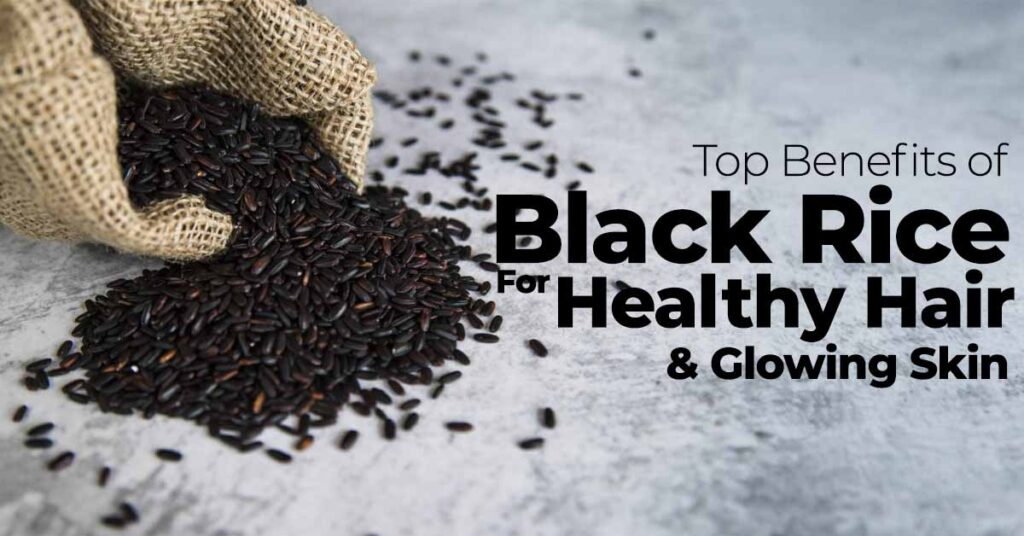
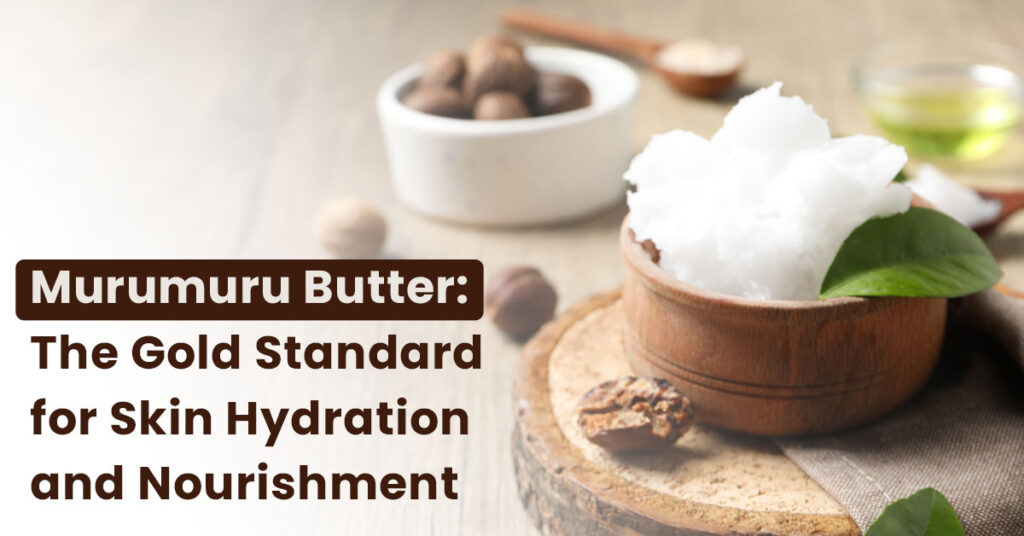
The most effective formulations don’t just rely on one fat; they layer them. When shea is paired with Murumuru or Cocoa butter, the result is a complex lipid profile that feeds the skin a broader spectrum of vitamins. This is where the El Lior Wild Black Rice Triple Butter Bathing Bar changes the game. It isn’t just a basic bar; it’s a concentrated delivery system for antioxidants and moisture. If you are hunting for the best soap for dry skin, you need this kind of ingredient synergy to actually move the needle on your skin’s hydration levels.
For anyone needing a soap for sensitive skin, this multi-butter approach is a safeguard. The Wild Black Rice helps neutralize environmental triggers while the butters provide a rich, creamy lather that avoids the need for synthetic foaming agents. It turns a thirty-second wash into a skin-strengthening treatment. You aren’t just rinsing away the day; you are physically reinforcing your skin against the elements.
Environmental and Ethical Impact
The environmental footprint of your bathroom shelf is often larger than you think. While liquid washes are mostly water sold in single-use plastic, a Shea Butter Bar Soap is a concentrated powerhouse that requires minimal packaging. By making the move to solid bars, you are cutting out the synthetic microbeads and plastic waste that have become the unfortunate standard of the personal care industry.
Beyond packaging, there is the human element. Authentic shea is frequently sourced from sustainable community farming cooperatives, providing an ethical backbone to the product. It’s a “cleaner” choice for the conscious consumer who wants their personal care to be as responsible as it is effective. You aren’t just buying the best soap for dry skin; you’re supporting a supply chain that values people and the environment over industrial shortcuts.
Who Should Make the Switch?
The move to a lipid-rich bar isn’t just a lifestyle upgrade; for many, it’s a biological necessity. If you struggle with chronic dryness, eczema, or sensitivity, mass-market detergents are effectively sabotaging your skin’s health. Your barrier needs those specific fatty acids to maintain its elasticity and prevent the micro-tears that invite irritation.
As we age, our natural oil production naturally drops. This makes the external application of butters like shea and murumuru vital for keeping the skin resilient. If you find your skin feels parched or “tight” by midday, your current soap is likely the culprit.
Conclusion: The Verdict on the Daily Ritual
Your cleanser is the foundation of your entire skincare routine. If that first step involves stripping your skin with harsh chemicals, no amount of expensive serum or lotion can fully undo the damage. Your skin is a living organ that requires nourishment, not just a surface to be scrubbed. By switching to a nutrient-dense bar, you are investing in one of the Best Natural Skin Care Products for long-term barrier health.
Your skin is an investment, not a surface to be scrubbed. Experience the difference of a nutrient-dense cleanse with the El Lior Triple Butter Bar.